Revolutionizing Dental Practices: The Role Of IT Solutions In Patient Management Systems
In recent years, the integration of information technology into healthcare has transformed various medical fields, with dentistry being no exception. The advent of sophisticated IT solutions in dental practices has revolutionized patient management systems, enhancing both the efficiency of dental care delivery and the overall patient experience. As dental practices increasingly adopt these technologies, it is essential to understand how they are reshaping the landscape of dental care.
One of the most significant impacts of IT solutions in dental practices is the improvement in patient record management. Traditionally, dental records were maintained in paper form, which posed challenges in terms of storage, retrieval, and sharing of information. However, with the introduction of electronic health records (EHRs), dental practices can now store comprehensive patient information digitally. This transition not only facilitates easy access to patient data but also ensures that records are updated in real-time, thereby reducing the risk of errors and omissions. Moreover, EHRs enable seamless sharing of information between dental professionals and other healthcare providers, fostering a more integrated approach to patient care.
In addition to enhancing record management, IT solutions have also streamlined appointment scheduling and patient communication. Advanced patient management systems offer online booking options, allowing patients to schedule appointments at their convenience. This not only improves patient satisfaction but also optimizes the practice’s scheduling efficiency. Furthermore, automated reminders via email or text message help reduce no-show rates, ensuring that dental practices can maintain a steady flow of patients. These systems also facilitate better communication between patients and dental staff, enabling quick responses to patient inquiries and concerns.
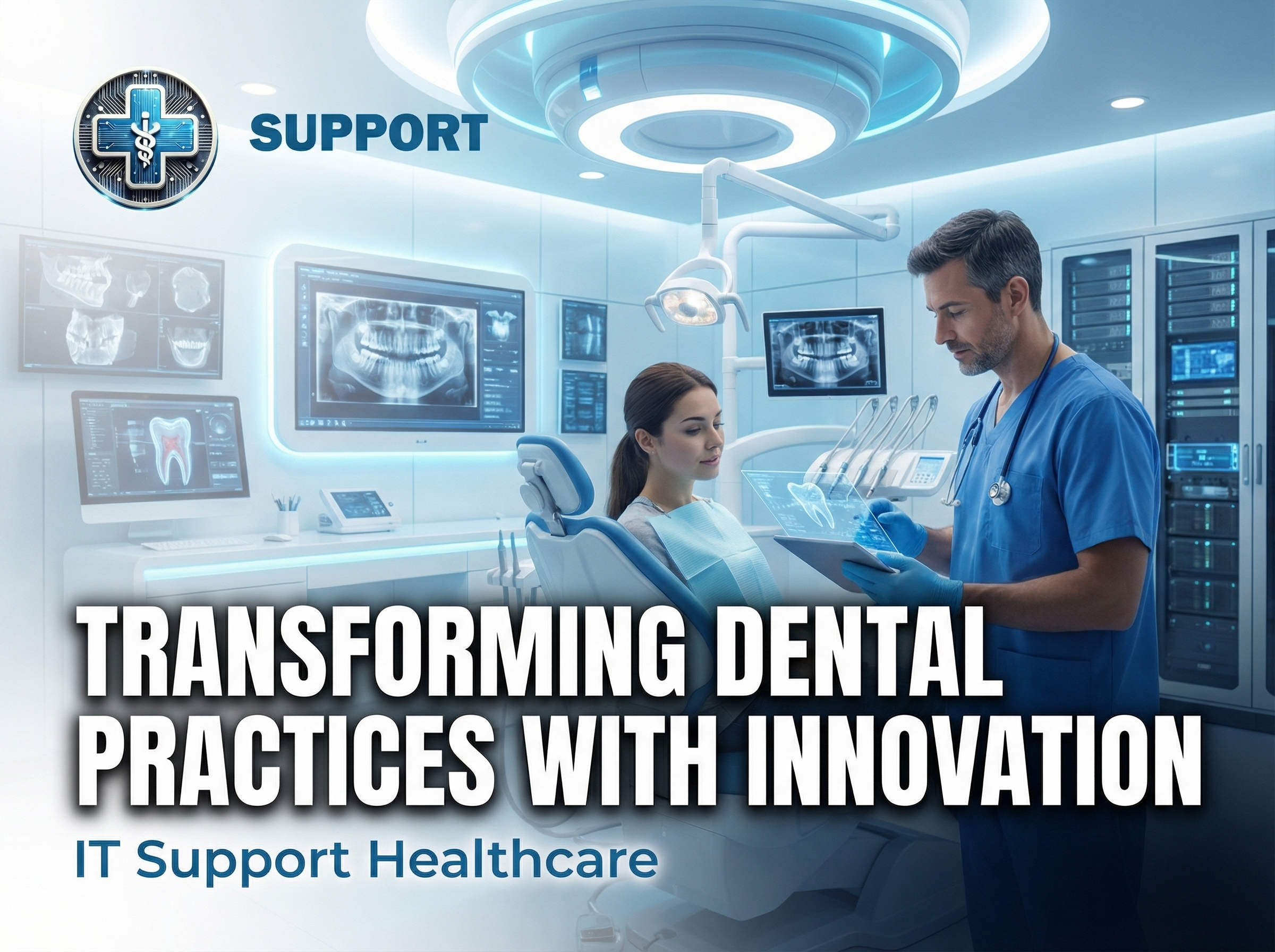
Another area where IT solutions have made a significant impact is in diagnostic and treatment planning. Digital imaging technologies, such as digital X-rays and 3D imaging, provide dentists with high-resolution images that are crucial for accurate diagnosis and treatment planning. These technologies not only enhance diagnostic accuracy but also reduce the time required for image processing and analysis. Additionally, computer-aided design and computer-aided manufacturing (CAD/CAM) systems have revolutionized the creation of dental restorations, allowing for precise and efficient fabrication of crowns, bridges, and other dental prosthetics.
Furthermore, IT solutions have facilitated the implementation of tele-dentistry, expanding access to dental care for patients in remote or underserved areas. Through tele-dentistry platforms, patients can consult with dental professionals via video conferencing, receive preliminary diagnoses, and obtain guidance on oral health issues. This approach not only increases access to care but also reduces the need for in-person visits, which can be particularly beneficial in situations where travel is challenging or when minimizing physical contact is necessary.
As dental practices continue to embrace IT solutions, it is crucial to address the challenges associated with their implementation. Ensuring data security and patient privacy is paramount, as dental records contain sensitive information that must be protected from unauthorized access. Additionally, dental professionals must be adequately trained to use these technologies effectively, necessitating ongoing education and support.
In conclusion, the integration of IT solutions into dental practices has significantly enhanced patient management systems, leading to improved efficiency, accuracy, and patient satisfaction. As technology continues to evolve, it is likely that dental practices will further benefit from innovations that enhance the quality of care and expand access to dental services. By embracing these advancements, dental professionals can ensure that they are well-equipped to meet the evolving needs of their patients in an increasingly digital world.
Enhancing Dental Care With Digital Imaging And Technology Integration
In recent years, the integration of digital imaging and advanced technology in dental care has revolutionized the way dental professionals diagnose, plan, and execute treatments. This transformation is not merely a trend but a significant leap forward in enhancing patient care and improving clinical outcomes. As dental practices increasingly adopt these innovations, the benefits of digital imaging and technology integration become more apparent, offering a glimpse into the future of dental healthcare.
Digital imaging, particularly through the use of intraoral scanners and 3D imaging systems, has become a cornerstone of modern dental diagnostics. These tools provide high-resolution images that allow for precise visualization of dental structures, which is crucial for accurate diagnosis and treatment planning. Unlike traditional X-rays, digital imaging reduces radiation exposure, making it a safer option for patients. Moreover, the immediacy of digital images enables dental professionals to quickly assess and discuss findings with patients, fostering a more collaborative approach to dental care.
The integration of digital imaging with computer-aided design and computer-aided manufacturing (CAD/CAM) technology further enhances the capabilities of dental practices. CAD/CAM systems allow for the creation of highly accurate dental restorations, such as crowns, bridges, and veneers, in a fraction of the time required by traditional methods. This not only improves the efficiency of dental procedures but also enhances the quality and fit of restorations, leading to better patient satisfaction and outcomes.
Furthermore, the use of digital imaging and technology integration extends beyond diagnostics and treatment planning. It plays a pivotal role in patient education and communication. With the ability to visualize their dental conditions and potential treatment outcomes, patients are more informed and engaged in their care decisions. This transparency builds trust between patients and dental professionals, ultimately leading to improved adherence to treatment plans and better oral health outcomes.
In addition to improving patient care, the integration of digital imaging and technology in dental practices offers significant operational benefits. The digitization of records and imaging streamlines workflow, reduces the need for physical storage space, and enhances data security. This efficiency allows dental professionals to focus more on patient care rather than administrative tasks, thereby improving the overall patient experience.
Moreover, the adoption of these technologies aligns with the broader trend of personalized medicine. By leveraging digital imaging and data analytics, dental professionals can tailor treatments to the specific needs and conditions of each patient. This personalized approach not only improves treatment efficacy but also minimizes the risk of complications and enhances patient satisfaction.
Despite the clear advantages, the integration of digital imaging and technology in dental care is not without challenges. The initial investment in equipment and training can be substantial, and there is a learning curve associated with adopting new technologies. However, as the cost of technology continues to decrease and training becomes more accessible, these barriers are gradually diminishing.
In conclusion, the integration of digital imaging and technology in dental care represents a significant advancement in the field, offering numerous benefits for both patients and dental professionals. As these technologies continue to evolve, they hold the promise of further enhancing the quality, efficiency, and personalization of dental care. Embracing these innovations is not only a step forward in improving oral health outcomes but also a testament to the ongoing commitment of the dental profession to provide the highest standard of care.
Optimizing Dental Software And IT Support For Seamless Practice Operations
In the rapidly evolving landscape of healthcare IT, dental practices are increasingly recognizing the importance of optimizing their software and IT support systems to ensure seamless operations. As the demand for efficient and patient-centered care grows, dental practices must leverage innovative technologies to enhance their service delivery. This necessitates a comprehensive understanding of the current trends in dental software and IT support, as well as the implementation of strategies that align with the unique needs of dental professionals and their patients.
To begin with, the integration of advanced dental software solutions is paramount in streamlining practice operations. These software systems are designed to manage a wide array of functions, from patient scheduling and electronic health records to billing and inventory management. By automating these processes, dental practices can significantly reduce administrative burdens, allowing dental professionals to focus more on patient care. Moreover, the use of cloud-based dental software offers the added advantage of accessibility, enabling practitioners to access patient information and manage appointments from any location, thus enhancing flexibility and efficiency.
In addition to software optimization, robust IT support is crucial for maintaining the seamless operation of dental practices. IT support teams play a vital role in ensuring that all technological systems function smoothly, minimizing downtime and preventing disruptions in patient care. This involves regular maintenance of hardware and software, as well as the implementation of cybersecurity measures to protect sensitive patient data. Given the increasing prevalence of cyber threats, dental practices must prioritize data security by employing encryption technologies and conducting regular security audits.
Furthermore, the integration of artificial intelligence (AI) and machine learning into dental software is revolutionizing the way dental practices operate. AI-powered tools can assist in diagnosing dental conditions, predicting treatment outcomes, and personalizing patient care plans. For instance, AI algorithms can analyze dental images to detect early signs of cavities or gum disease, enabling timely intervention and improving patient outcomes. By harnessing the power of AI, dental practices can enhance diagnostic accuracy and provide more targeted treatments, ultimately leading to improved patient satisfaction.
Another critical aspect of optimizing dental software and IT support is ensuring interoperability between different systems. Interoperability allows for seamless communication and data exchange between various software applications, facilitating a more coordinated approach to patient care. This is particularly important in multi-specialty practices where different departments need to collaborate effectively. By adopting interoperable systems, dental practices can improve workflow efficiency and ensure that all team members have access to up-to-date patient information.
Moreover, continuous training and education of dental staff on the use of new technologies are essential for maximizing the benefits of optimized software and IT support. As technology continues to advance, dental professionals must stay informed about the latest developments and best practices in healthcare IT. Regular training sessions and workshops can equip staff with the necessary skills to navigate new software systems and troubleshoot common IT issues, thereby enhancing overall practice efficiency.
In conclusion, optimizing dental software and IT support is a multifaceted endeavor that requires a strategic approach. By integrating advanced software solutions, ensuring robust IT support, leveraging AI technologies, promoting interoperability, and investing in staff training, dental practices can achieve seamless operations and deliver high-quality patient care. As the healthcare IT landscape continues to evolve, dental practices that embrace innovation will be well-positioned to meet the challenges of the future and provide exceptional service to their patients.
Unlock the future of healthcare with cutting-edge insights from Healthcare IT Insights 17: Innovation in Category 17. Discover how technology is transforming patient care and operational efficiency. Get your free quote today!