Enhancing Healthcare Operations Through IT Disaster Recovery and Business Continuity
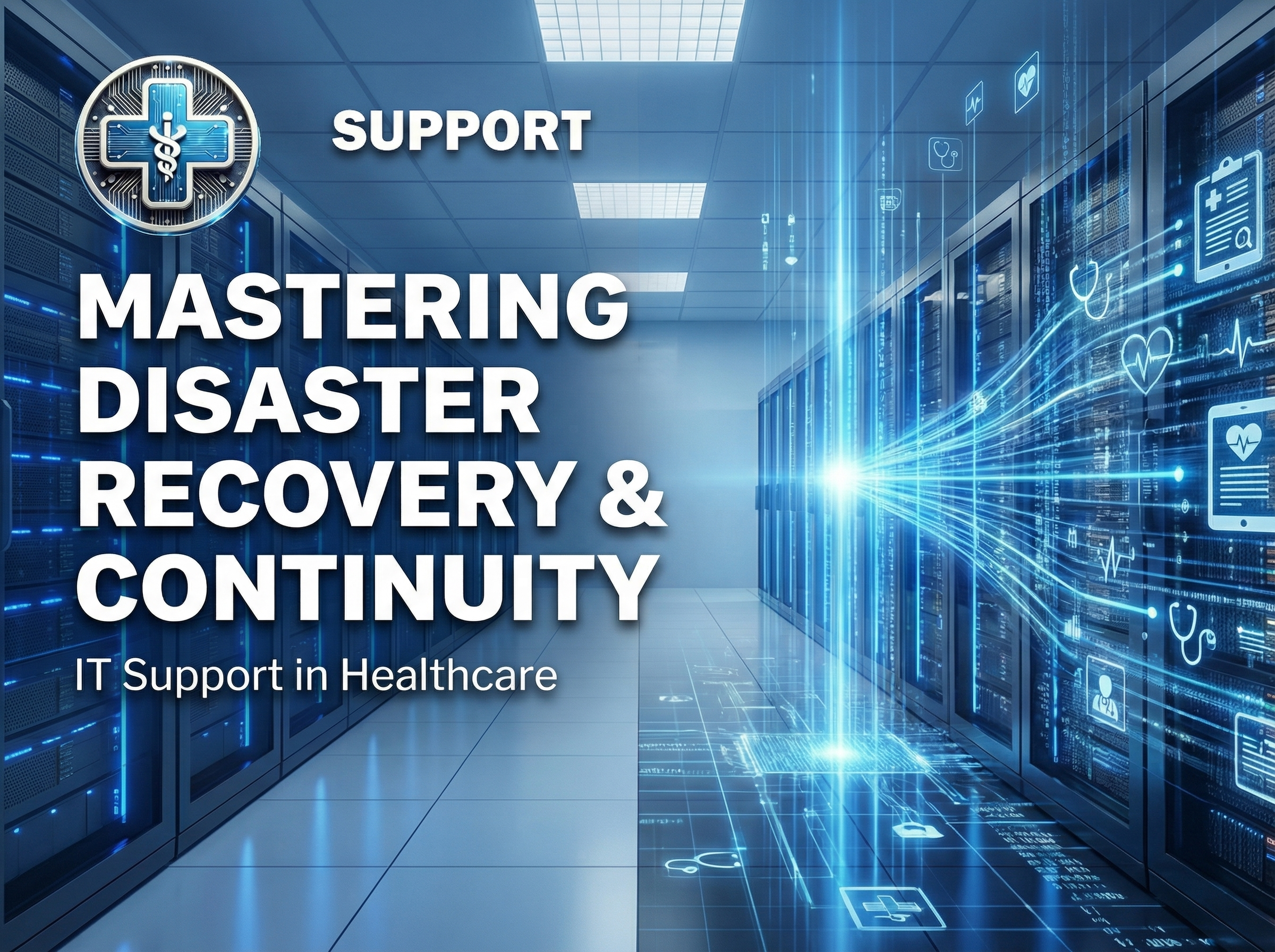
In the rapidly evolving landscape of healthcare, the integration of information technology has become indispensable, particularly in ensuring the resilience of healthcare operations. As healthcare organizations increasingly rely on digital systems to manage patient data, streamline operations, and deliver care, the importance of robust IT disaster recovery and business continuity plans cannot be overstated. These strategies are essential in safeguarding against disruptions that could compromise patient care and operational efficiency.
To begin with, IT disaster recovery in healthcare involves a set of policies and procedures designed to restore critical systems and data following a disruption. This could be due to natural disasters, cyberattacks, or system failures. The primary goal is to minimize downtime and data loss, ensuring that healthcare services can continue with minimal interruption. In this context, the implementation of cloud-based solutions has emerged as a pivotal innovation. Cloud technology offers scalable and flexible storage options, enabling healthcare organizations to back up vast amounts of data securely. Moreover, cloud services often come with built-in redundancy and failover capabilities, which are crucial for maintaining data integrity and availability during unforeseen events.
Transitioning to the concept of business continuity, it encompasses a broader scope than disaster recovery, focusing on maintaining all essential functions of an organization during and after a crisis. In healthcare, this means ensuring that patient care, administrative functions, and communication systems remain operational. A comprehensive business continuity plan involves risk assessments, impact analyses, and the development of strategies to mitigate identified risks. For instance, telemedicine has become an integral component of business continuity strategies, allowing healthcare providers to deliver care remotely when physical access to facilities is compromised.
Furthermore, the integration of artificial intelligence (AI) and machine learning into disaster recovery and business continuity plans is revolutionizing the way healthcare organizations anticipate and respond to disruptions. AI can analyze vast datasets to predict potential system failures or security breaches, enabling proactive measures to be taken. Machine learning algorithms can also optimize resource allocation during a crisis, ensuring that critical areas receive the necessary support to maintain operations.
In addition to technological advancements, the human element remains a critical factor in the success of IT disaster recovery and business continuity efforts. Regular training and drills for staff are essential to ensure that everyone is familiar with the procedures and can act swiftly in the event of a disruption. This preparedness not only enhances the effectiveness of the response but also instills confidence among staff, patients, and stakeholders.
Moreover, regulatory compliance plays a significant role in shaping disaster recovery and business continuity strategies in healthcare. Organizations must adhere to standards such as the Health Insurance Portability and Accountability Act (HIPAA) in the United States, which mandates the protection of patient data. Compliance with such regulations ensures that healthcare providers maintain the trust of their patients while avoiding legal repercussions.
In conclusion, the integration of IT disaster recovery and business continuity strategies is vital for enhancing healthcare operations. As technology continues to advance, healthcare organizations must remain vigilant and adaptive, leveraging innovations such as cloud computing, AI, and telemedicine to safeguard against disruptions. By doing so, they can ensure the continuity of care and maintain operational resilience in an increasingly digital world.
The Role of Data Backup and System Restoration in Healthcare Emergency Preparedness
In the rapidly evolving landscape of healthcare, the integration of information technology has become indispensable, particularly in the realm of emergency preparedness. As healthcare systems increasingly rely on digital infrastructures, the role of data backup and system restoration has emerged as a critical component in ensuring continuity of care during emergencies. This reliance on technology necessitates robust strategies to safeguard data integrity and availability, underscoring the importance of comprehensive backup and restoration protocols.
To begin with, the primary objective of data backup in healthcare is to create a secure copy of critical information that can be retrieved in the event of data loss. This loss can occur due to various reasons, including cyberattacks, natural disasters, or system failures. In such scenarios, having a reliable backup system ensures that patient records, treatment plans, and other essential data remain accessible, thereby minimizing disruptions in patient care. Moreover, the ability to quickly restore systems to their operational state is crucial in maintaining the trust of patients and stakeholders, as well as in complying with regulatory requirements.
Transitioning to the technical aspects, the implementation of effective data backup strategies involves several key considerations. First, healthcare organizations must determine the appropriate backup frequency, which is often dictated by the volume of data generated and the criticality of the information. Regular backups, whether daily or in real-time, help mitigate the risk of significant data loss. Additionally, the choice between on-site and off-site storage solutions plays a pivotal role in ensuring data security. While on-site backups offer quick access, off-site solutions provide protection against localized incidents, such as fires or floods.
Furthermore, the advent of cloud technology has revolutionized data backup and restoration processes. Cloud-based solutions offer scalability, flexibility, and enhanced security features, making them an attractive option for healthcare providers. By leveraging cloud services, organizations can ensure that their data is stored in geographically diverse locations, thereby enhancing resilience against regional disruptions. Moreover, cloud platforms often come equipped with advanced encryption and authentication mechanisms, safeguarding sensitive patient information from unauthorized access.
In addition to backup strategies, system restoration is a critical component of emergency preparedness. The ability to swiftly restore systems to their pre-disruption state is essential in minimizing downtime and ensuring continuity of care. This process involves not only the retrieval of data but also the re-establishment of system configurations and applications. Consequently, healthcare organizations must regularly test their restoration procedures to identify potential bottlenecks and ensure that staff are adequately trained to execute these protocols under pressure.
As we consider the broader implications, it is evident that data backup and system restoration are integral to a healthcare organization’s resilience. By investing in robust IT infrastructures and adopting best practices, healthcare providers can enhance their preparedness for emergencies, thereby safeguarding patient welfare and maintaining operational stability. Moreover, as the healthcare sector continues to embrace digital transformation, the importance of these processes will only grow, necessitating ongoing innovation and adaptation.
In conclusion, the role of data backup and system restoration in healthcare emergency preparedness cannot be overstated. These processes not only protect critical information but also ensure that healthcare systems can continue to function effectively in the face of unforeseen challenges. As such, they represent a vital component of modern healthcare IT strategies, underscoring the need for continuous investment and vigilance in this ever-evolving field.
Risk Management Strategies for Healthcare IT: Ensuring Business Continuity and System Resilience
In the rapidly evolving landscape of healthcare IT, risk management strategies have become paramount to ensuring business continuity and system resilience. As healthcare organizations increasingly rely on digital systems to manage patient data, streamline operations, and enhance patient care, the potential risks associated with IT disruptions have grown exponentially. Consequently, it is imperative for healthcare institutions to adopt comprehensive risk management frameworks that not only mitigate potential threats but also ensure the seamless operation of critical systems.
To begin with, understanding the unique challenges faced by healthcare IT systems is crucial. These systems are often complex, integrating various technologies such as electronic health records (EHRs), telemedicine platforms, and medical devices. Each component presents its own set of vulnerabilities, which can be exploited by cyber threats or disrupted by technical failures. Therefore, a robust risk management strategy must encompass a thorough assessment of these vulnerabilities, identifying potential points of failure and implementing measures to address them.
One of the primary strategies for managing risk in healthcare IT is the implementation of strong cybersecurity protocols. Given the sensitive nature of healthcare data, protecting it from unauthorized access and breaches is of utmost importance. This involves deploying advanced encryption methods, regularly updating software to patch vulnerabilities, and conducting frequent security audits. Additionally, educating staff on best practices for data security can significantly reduce the risk of human error, which is often a major factor in security breaches.
Moreover, ensuring system resilience requires a focus on redundancy and failover mechanisms. By designing IT systems with built-in redundancies, healthcare organizations can maintain operations even in the event of a system failure. This might involve having backup servers, alternative communication channels, and duplicate data storage solutions. In the event of a disruption, these failover systems can be activated to ensure that critical functions continue without interruption, thereby safeguarding patient care and organizational operations.
Furthermore, the integration of advanced technologies such as artificial intelligence (AI) and machine learning can enhance risk management strategies. These technologies can be leveraged to predict potential system failures, identify unusual patterns that may indicate a security threat, and automate responses to mitigate risks. By proactively addressing issues before they escalate, healthcare organizations can maintain a higher level of system resilience and continuity.
In addition to technological measures, effective risk management in healthcare IT also requires a comprehensive business continuity plan. This plan should outline the procedures to be followed in the event of a system disruption, ensuring that all staff members are aware of their roles and responsibilities. Regular drills and simulations can help to test the effectiveness of these plans, allowing organizations to refine their strategies and improve their preparedness for real-world scenarios.
In conclusion, as healthcare IT systems become increasingly integral to the delivery of care, the importance of robust risk management strategies cannot be overstated. By adopting a multifaceted approach that includes strong cybersecurity measures, system redundancies, advanced technologies, and comprehensive business continuity planning, healthcare organizations can ensure the resilience and continuity of their IT systems. This not only protects sensitive patient data but also ensures that healthcare providers can continue to deliver high-quality care, even in the face of potential disruptions. As the healthcare industry continues to innovate and evolve, so too must the strategies employed to safeguard its critical IT infrastructure.
Unlock the future of healthcare with cutting-edge insights from “Healthcare IT Insights 12: Innovation in Category 18.” Discover transformative strategies and elevate your healthcare solutions today. Get your free quote now!