
Enhancing Healthcare Operations: The Role of IT Disaster Recovery and Business Continuity in Emergency Preparedness
In the rapidly evolving landscape of healthcare, the integration of information technology has become indispensable, particularly in enhancing operational efficiency and ensuring patient safety. One critical aspect of this integration is the development and implementation of robust IT disaster recovery and business continuity plans. These strategies are essential in maintaining healthcare operations during emergencies, thereby safeguarding both data integrity and patient care.
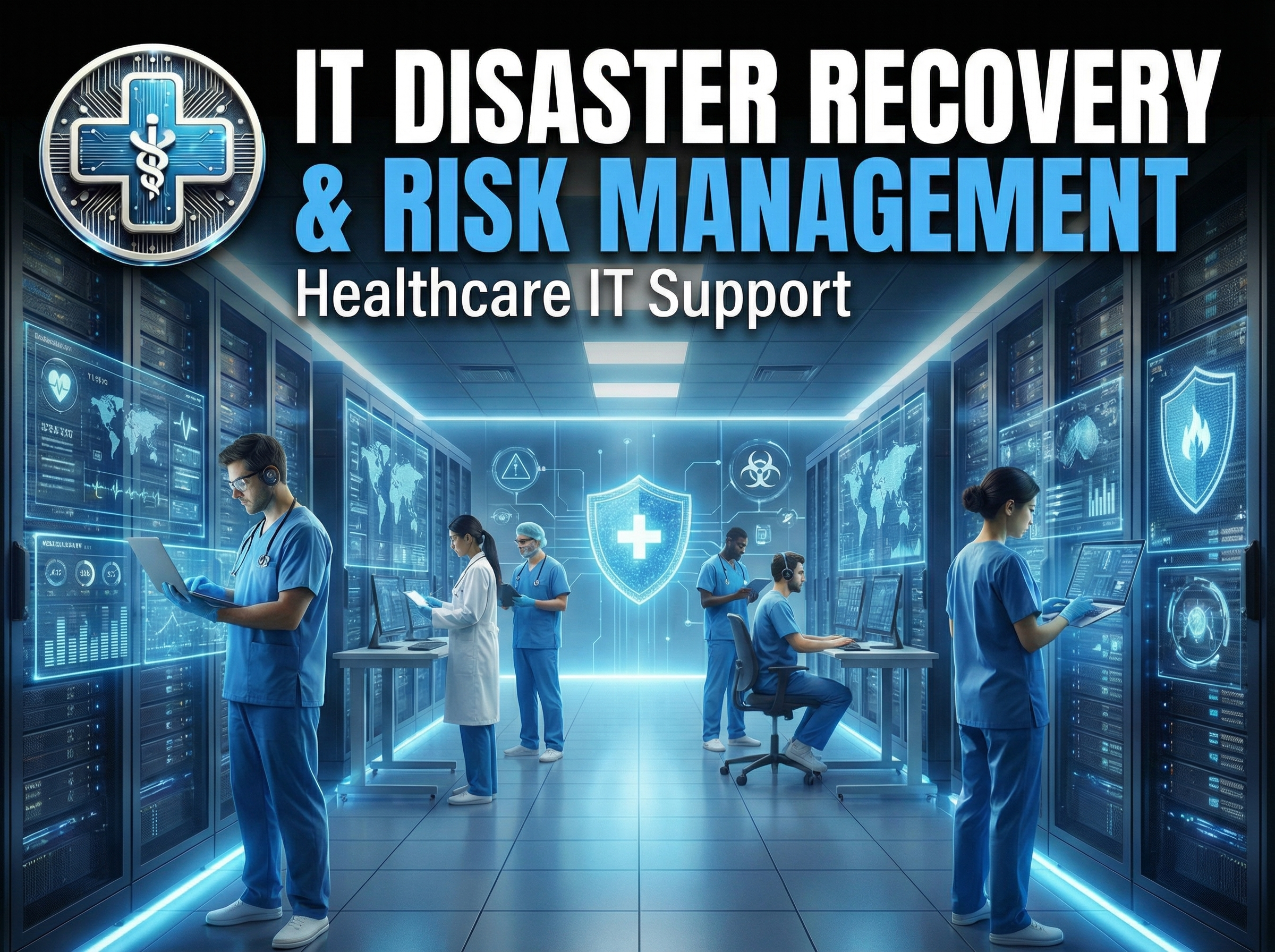
The healthcare sector is increasingly reliant on digital systems for managing patient records, scheduling, diagnostics, and treatment plans. Consequently, any disruption to these systems can have severe repercussions, potentially compromising patient safety and leading to significant financial losses. Therefore, the role of IT disaster recovery and business continuity in emergency preparedness cannot be overstated. These plans are designed to ensure that healthcare facilities can quickly recover from unexpected events, such as natural disasters, cyberattacks, or system failures, thereby minimizing downtime and maintaining critical operations.
To begin with, IT disaster recovery focuses on the restoration of IT systems and data access following a disruption. This involves a comprehensive assessment of potential risks and the development of strategies to mitigate these risks. For instance, regular data backups, redundant systems, and cloud-based solutions are commonly employed to ensure data availability and integrity. By implementing these measures, healthcare organizations can significantly reduce the time required to restore normal operations, thus minimizing the impact on patient care.
In tandem with disaster recovery, business continuity planning is essential for maintaining healthcare services during and after a crisis. This involves identifying essential functions and processes that must be sustained to ensure uninterrupted patient care. By prioritizing these functions, healthcare providers can allocate resources more effectively and ensure that critical services remain operational. Moreover, business continuity plans often include detailed communication strategies to keep staff, patients, and stakeholders informed during emergencies, thereby enhancing coordination and response efforts.
Furthermore, the integration of IT disaster recovery and business continuity into emergency preparedness plans requires a collaborative approach. Healthcare organizations must work closely with IT professionals, clinical staff, and external partners to develop and test these plans regularly. Through simulation exercises and drills, organizations can identify potential weaknesses and make necessary adjustments to improve their response capabilities. This proactive approach not only enhances the resilience of healthcare systems but also fosters a culture of preparedness and adaptability.
In addition to internal collaboration, healthcare organizations must also consider the broader regulatory and compliance landscape. Adhering to industry standards and guidelines, such as those set by the Health Insurance Portability and Accountability Act (HIPAA) and the National Institute of Standards and Technology (NIST), is crucial in ensuring that disaster recovery and business continuity plans meet legal and ethical requirements. Compliance with these standards not only protects patient data but also enhances the credibility and trustworthiness of healthcare providers.
In conclusion, the role of IT disaster recovery and business continuity in emergency preparedness is vital for enhancing healthcare operations. By ensuring the rapid restoration of IT systems and maintaining essential services during crises, these strategies play a crucial role in safeguarding patient care and organizational resilience. As the healthcare sector continues to evolve, the integration of innovative IT solutions into disaster recovery and business continuity plans will be essential in addressing emerging challenges and ensuring the sustainability of healthcare services in the face of adversity.
Data Backup and System Restoration: Key Strategies for Risk Management in Healthcare IT
In the rapidly evolving landscape of healthcare IT, the importance of robust data backup and system restoration strategies cannot be overstated. As healthcare organizations increasingly rely on digital systems to manage patient information, the risk of data loss due to cyberattacks, system failures, or natural disasters has become a critical concern. Consequently, implementing effective risk management strategies is essential to ensure the continuity of care and the protection of sensitive patient data.
To begin with, a comprehensive data backup strategy is the cornerstone of any risk management plan in healthcare IT. This involves regularly creating copies of critical data and storing them in secure, offsite locations. By doing so, healthcare organizations can safeguard against data loss and ensure that patient information remains accessible even in the event of a system failure. Moreover, employing a combination of on-site and cloud-based backup solutions can provide an additional layer of security, as it allows for quick data recovery while also protecting against localized disasters.
In addition to data backup, system restoration is a crucial component of risk management in healthcare IT. System restoration involves the process of recovering and reinstating data and applications to their original state following a disruption. To achieve this, healthcare organizations must develop and maintain a detailed disaster recovery plan that outlines the steps necessary to restore systems and data efficiently. This plan should include predefined recovery time objectives (RTOs) and recovery point objectives (RPOs) to ensure that critical systems are restored within an acceptable timeframe and that data loss is minimized.
Furthermore, regular testing and validation of backup and restoration processes are vital to ensure their effectiveness. By conducting routine drills and simulations, healthcare organizations can identify potential weaknesses in their strategies and make necessary adjustments. This proactive approach not only enhances the reliability of backup and restoration processes but also ensures that staff members are well-prepared to respond to real-world incidents.
Another key strategy for risk management in healthcare IT is the implementation of advanced encryption and security measures. Protecting data both at rest and in transit is essential to prevent unauthorized access and ensure compliance with regulations such as the Health Insurance Portability and Accountability Act (HIPAA). By employing strong encryption protocols and multi-factor authentication, healthcare organizations can significantly reduce the risk of data breaches and enhance the overall security of their IT systems.
Moreover, fostering a culture of cybersecurity awareness among staff members is crucial for effective risk management. Regular training sessions and workshops can help employees understand the importance of data protection and equip them with the knowledge to identify and respond to potential threats. By promoting a proactive approach to cybersecurity, healthcare organizations can mitigate risks and ensure the integrity of their IT systems.
In conclusion, the integration of robust data backup and system restoration strategies is essential for effective risk management in healthcare IT. By prioritizing data protection, system recovery, and cybersecurity awareness, healthcare organizations can safeguard sensitive patient information and ensure the continuity of care in the face of potential disruptions. As the healthcare industry continues to embrace digital transformation, the importance of these strategies will only grow, underscoring the need for ongoing innovation and adaptation in the realm of healthcare IT.
Innovative Approaches to IT Disaster Recovery: Ensuring Business Continuity in Healthcare Operations
In the rapidly evolving landscape of healthcare, the integration of information technology has become indispensable. As healthcare organizations increasingly rely on digital systems to manage patient data, streamline operations, and enhance patient care, the importance of robust IT disaster recovery strategies cannot be overstated. Ensuring business continuity in healthcare operations is paramount, as any disruption can have significant implications for patient safety and organizational efficiency. Consequently, innovative approaches to IT disaster recovery are being developed to address these challenges and safeguard healthcare operations.
One of the most significant advancements in IT disaster recovery is the adoption of cloud-based solutions. Cloud technology offers a flexible and scalable platform for data storage and recovery, allowing healthcare organizations to quickly restore critical systems in the event of a disruption. By leveraging the cloud, healthcare providers can ensure that patient data is securely backed up and accessible from any location, thereby minimizing downtime and maintaining continuity of care. Furthermore, cloud-based disaster recovery solutions often include automated backup processes and real-time data replication, which enhance the resilience of healthcare IT systems.
In addition to cloud technology, the implementation of artificial intelligence (AI) and machine learning (ML) in disaster recovery strategies is gaining traction. AI and ML can be utilized to predict potential system failures and identify vulnerabilities within IT infrastructures. By analyzing patterns and trends in system performance, these technologies can provide early warnings of potential disruptions, allowing healthcare organizations to proactively address issues before they escalate. Moreover, AI-driven analytics can optimize recovery processes by identifying the most efficient methods for restoring systems and data, thereby reducing recovery time and minimizing the impact on healthcare operations.
Another innovative approach to IT disaster recovery is the use of blockchain technology. Blockchain offers a decentralized and tamper-proof method of storing and sharing data, which can enhance the security and integrity of healthcare information. In the context of disaster recovery, blockchain can be used to create immutable records of system configurations and data transactions, ensuring that accurate and up-to-date information is available for recovery efforts. This technology also facilitates secure data sharing between healthcare organizations, enabling collaborative recovery efforts and improving overall resilience.
Furthermore, the development of comprehensive disaster recovery plans is essential for ensuring business continuity in healthcare operations. These plans should encompass a range of scenarios, from natural disasters to cyberattacks, and outline specific procedures for restoring IT systems and data. Regular testing and updating of disaster recovery plans are crucial to ensure their effectiveness and relevance in the face of evolving threats. By conducting simulated disaster recovery exercises, healthcare organizations can identify potential weaknesses in their plans and make necessary adjustments to improve their preparedness.
In conclusion, the innovative approaches to IT disaster recovery in healthcare are transforming the way organizations manage and protect their digital infrastructures. By embracing cloud technology, AI and ML, blockchain, and comprehensive planning, healthcare providers can enhance their resilience and ensure continuity of operations in the face of disruptions. As the healthcare industry continues to evolve, the adoption of these cutting-edge solutions will be critical in safeguarding patient care and maintaining the integrity of healthcare systems. Through these efforts, healthcare organizations can not only mitigate the risks associated with IT disruptions but also build a more robust and reliable foundation for future advancements in healthcare technology.
Unlock the future of healthcare with cutting-edge insights in Healthcare IT! Discover the latest innovations in Category 18 and transform your practice today. Get your free quote now!