
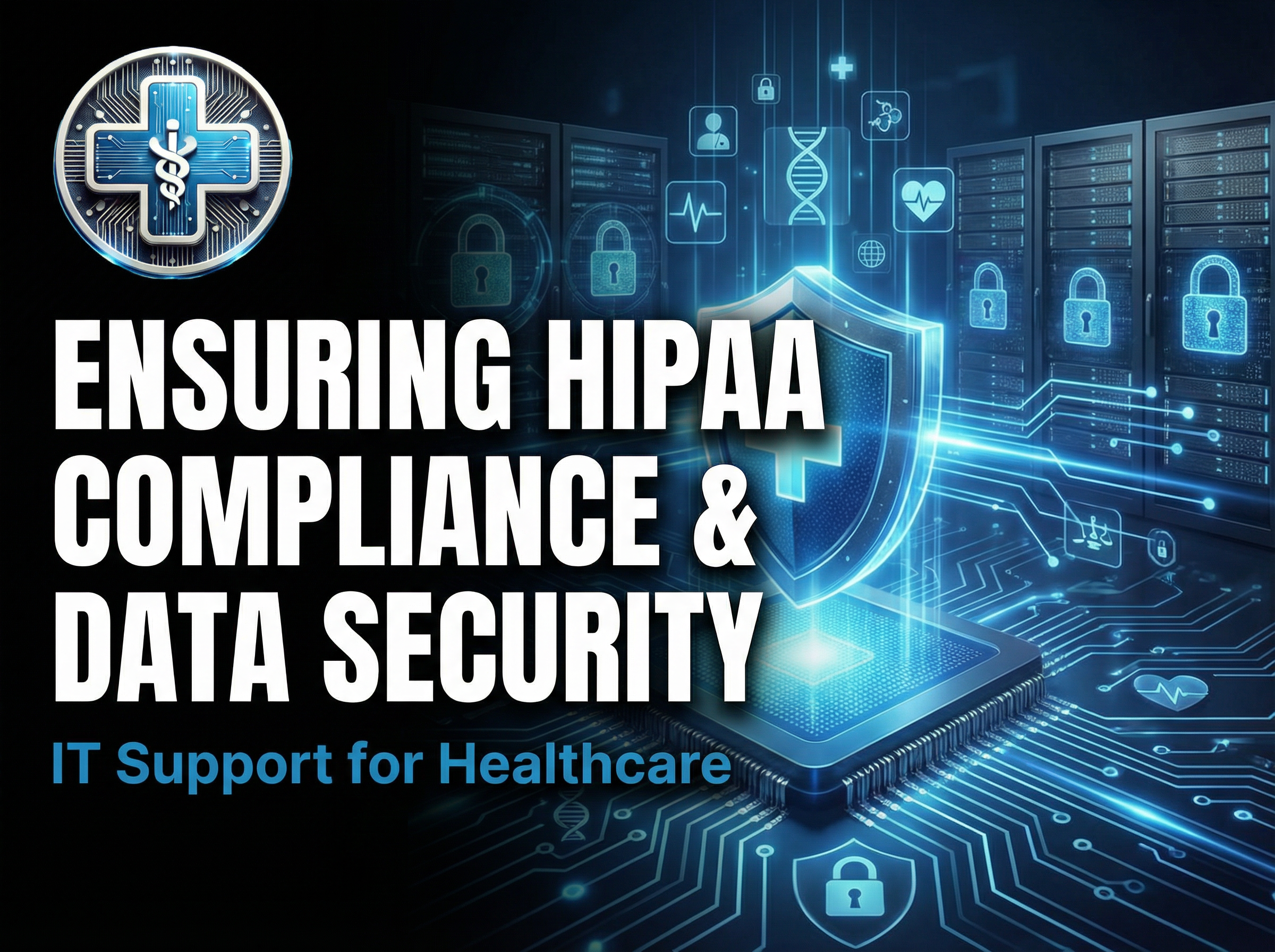
Enhancing Patient Information Protection: Strategies for HIPAA Compliance and Cybersecurity in Healthcare IT
In the rapidly evolving landscape of healthcare information technology, safeguarding patient information has become a paramount concern. As healthcare organizations increasingly rely on digital systems to manage patient data, the need for robust strategies to ensure compliance with the Health Insurance Portability and Accountability Act (HIPAA) and to bolster cybersecurity measures has never been more critical. The intersection of these two domains—HIPAA compliance and cybersecurity—presents both challenges and opportunities for innovation in healthcare IT.
To begin with, HIPAA sets the standard for protecting sensitive patient information in the United States. It mandates that healthcare providers, insurers, and their business associates implement comprehensive safeguards to ensure the confidentiality, integrity, and availability of electronic protected health information (ePHI). However, compliance with HIPAA is not merely a regulatory obligation; it is a foundational element of patient trust. Patients expect their healthcare providers to protect their personal information from unauthorized access and breaches. Therefore, healthcare organizations must adopt a proactive approach to HIPAA compliance, integrating it into their broader cybersecurity strategies.
One effective strategy for enhancing patient information protection is the implementation of advanced encryption technologies. Encryption transforms ePHI into unreadable code that can only be deciphered with a decryption key, thus providing a robust layer of security against unauthorized access. By encrypting data both at rest and in transit, healthcare organizations can significantly reduce the risk of data breaches. Moreover, encryption is a critical component of HIPAA’s technical safeguards, making it an essential tool for compliance.
In addition to encryption, healthcare organizations should invest in comprehensive risk assessments to identify potential vulnerabilities in their IT systems. Regular risk assessments enable organizations to pinpoint weaknesses and implement targeted measures to mitigate them. This proactive approach not only enhances cybersecurity but also aligns with HIPAA’s requirement for ongoing risk management. Furthermore, risk assessments should be complemented by continuous monitoring of IT systems to detect and respond to potential threats in real-time.
Another key aspect of protecting patient information is ensuring that all staff members are adequately trained in cybersecurity best practices and HIPAA compliance. Human error remains one of the leading causes of data breaches in healthcare. Therefore, regular training sessions and awareness programs are essential to equip employees with the knowledge and skills needed to recognize and respond to potential security threats. By fostering a culture of security awareness, healthcare organizations can significantly reduce the likelihood of breaches resulting from human error.
Moreover, the adoption of multi-factor authentication (MFA) can further enhance the security of healthcare IT systems. MFA requires users to provide two or more verification factors to gain access to sensitive information, thereby adding an extra layer of protection against unauthorized access. This approach is particularly effective in preventing breaches caused by compromised login credentials, a common vulnerability in many organizations.
In conclusion, the protection of patient information in healthcare IT is a multifaceted challenge that requires a comprehensive and proactive approach. By integrating HIPAA compliance with robust cybersecurity measures, healthcare organizations can safeguard sensitive patient data while maintaining the trust of their patients. Through the implementation of advanced encryption technologies, regular risk assessments, staff training, and multi-factor authentication, healthcare providers can navigate the complexities of the digital age with confidence, ensuring that patient information remains secure in an increasingly interconnected world. As the healthcare industry continues to innovate, the commitment to protecting patient information must remain a top priority, driving the development of new strategies and technologies to meet the evolving demands of cybersecurity and compliance.
The Role of Data Encryption in Strengthening Healthcare Data Security and Ensuring Regulatory Compliance
In the rapidly evolving landscape of healthcare information technology, the protection of sensitive patient data has become a paramount concern. As healthcare organizations increasingly rely on digital systems to store and manage patient information, the risk of data breaches and unauthorized access has grown significantly. Consequently, data encryption has emerged as a critical tool in strengthening healthcare data security and ensuring compliance with stringent regulatory requirements. By transforming readable data into an unreadable format, encryption serves as a formidable barrier against cyber threats, safeguarding patient privacy and maintaining the integrity of healthcare systems.
To understand the importance of data encryption in healthcare, it is essential to consider the nature of the data being protected. Healthcare organizations handle vast amounts of sensitive information, including personal identification details, medical histories, and financial records. This data is not only valuable to cybercriminals but also subject to rigorous regulations such as the Health Insurance Portability and Accountability Act (HIPAA) in the United States and the General Data Protection Regulation (GDPR) in the European Union. These regulations mandate the implementation of robust security measures to protect patient data, with encryption being a key component of compliance strategies.
Encryption works by converting plaintext data into ciphertext using algorithms and encryption keys. Only authorized parties with the correct decryption key can access the original information, rendering the data useless to unauthorized users. This process is particularly crucial in healthcare, where data is frequently transmitted across networks and stored in cloud environments. By encrypting data both at rest and in transit, healthcare organizations can significantly reduce the risk of data breaches and unauthorized access, thereby enhancing overall data security.
Moreover, encryption plays a vital role in ensuring data integrity. In the healthcare sector, maintaining the accuracy and consistency of patient data is critical for effective diagnosis and treatment. Encryption helps prevent unauthorized modifications to data, ensuring that healthcare providers can rely on the information they access. This is particularly important in scenarios where data is shared across different systems and platforms, as it helps maintain trust in the data’s authenticity.
In addition to its security benefits, data encryption also facilitates regulatory compliance. Regulations like HIPAA and GDPR require healthcare organizations to implement technical safeguards to protect patient data. Encryption is often cited as a best practice for meeting these requirements, as it provides a clear and demonstrable method of protecting sensitive information. By adopting encryption technologies, healthcare organizations can not only protect patient data but also demonstrate their commitment to regulatory compliance, thereby avoiding potential fines and legal repercussions.
However, while encryption is a powerful tool, it is not a panacea. Healthcare organizations must implement comprehensive security strategies that include encryption as one component of a broader approach to data protection. This includes regular security assessments, employee training, and the implementation of access controls and monitoring systems. By adopting a multi-layered security strategy, healthcare organizations can create a robust defense against cyber threats and ensure the ongoing protection of patient data.
In conclusion, data encryption is an indispensable element of healthcare data security, offering significant benefits in terms of protecting sensitive information and ensuring regulatory compliance. As the healthcare industry continues to embrace digital transformation, the role of encryption will only become more critical. By prioritizing encryption and integrating it into a comprehensive security strategy, healthcare organizations can safeguard patient data, maintain trust, and navigate the complex regulatory landscape with confidence.
Conducting Effective Risk Assessments to Safeguard Patient Information and Achieve HIPAA Compliance
In the rapidly evolving landscape of healthcare information technology, safeguarding patient information has become a paramount concern. As healthcare providers increasingly rely on digital systems to manage patient data, the need for robust risk assessments to ensure compliance with the Health Insurance Portability and Accountability Act (HIPAA) has never been more critical. Conducting effective risk assessments is not only a regulatory requirement but also a strategic imperative to protect sensitive patient information from potential breaches and cyber threats.
To begin with, a comprehensive risk assessment involves identifying and evaluating potential risks to the confidentiality, integrity, and availability of electronic protected health information (ePHI). This process requires a thorough understanding of the organization’s IT infrastructure, including hardware, software, and network configurations. By mapping out the entire data flow, healthcare organizations can pinpoint vulnerabilities that could be exploited by malicious actors. Moreover, it is essential to consider both internal and external threats, ranging from employee negligence to sophisticated cyberattacks.
Transitioning from identification to evaluation, the next step in the risk assessment process is to analyze the potential impact of identified risks. This involves assessing the likelihood of each risk occurring and the potential consequences for patient privacy and organizational operations. By prioritizing risks based on their severity, healthcare organizations can allocate resources more effectively to mitigate the most significant threats. Additionally, this prioritization helps in developing a risk management strategy that aligns with the organization’s overall security objectives.
Furthermore, conducting regular risk assessments is crucial for maintaining HIPAA compliance. The dynamic nature of cyber threats necessitates continuous monitoring and updating of risk management practices. As new vulnerabilities emerge and technology evolves, healthcare organizations must adapt their risk assessment methodologies to address these changes. Regular assessments not only ensure compliance with HIPAA’s Security Rule but also demonstrate a proactive approach to safeguarding patient information, thereby enhancing the organization’s reputation and trustworthiness.
In addition to regular assessments, effective risk management requires a collaborative approach involving various stakeholders within the organization. Engaging IT professionals, compliance officers, and clinical staff in the risk assessment process fosters a culture of security awareness and accountability. By promoting open communication and collaboration, healthcare organizations can ensure that all employees understand their roles in protecting patient information and are equipped with the necessary tools and training to do so.
Moreover, leveraging technology can significantly enhance the efficiency and accuracy of risk assessments. Advanced analytics and artificial intelligence tools can automate the identification and evaluation of risks, providing real-time insights into potential vulnerabilities. These technologies can also facilitate continuous monitoring of the IT environment, enabling healthcare organizations to respond swiftly to emerging threats. By integrating technology into the risk assessment process, organizations can achieve a more comprehensive and dynamic approach to safeguarding patient information.
In conclusion, conducting effective risk assessments is a critical component of healthcare IT strategy, essential for protecting patient information and achieving HIPAA compliance. By identifying and evaluating potential risks, prioritizing them based on their impact, and fostering a collaborative approach, healthcare organizations can develop robust risk management strategies. Furthermore, leveraging technology can enhance the efficiency and accuracy of these assessments, ensuring that organizations remain vigilant in the face of evolving cyber threats. Ultimately, a proactive and comprehensive approach to risk assessment not only safeguards patient information but also strengthens the overall security posture of healthcare organizations.
Unlock the future of healthcare with cutting-edge insights from Healthcare IT Insights 8: Innovation in Category 14. Discover transformative solutions today! Get your free quote now!