
Enhancing Patient Engagement Through Custom Web Design: Innovations in Healthcare Websites
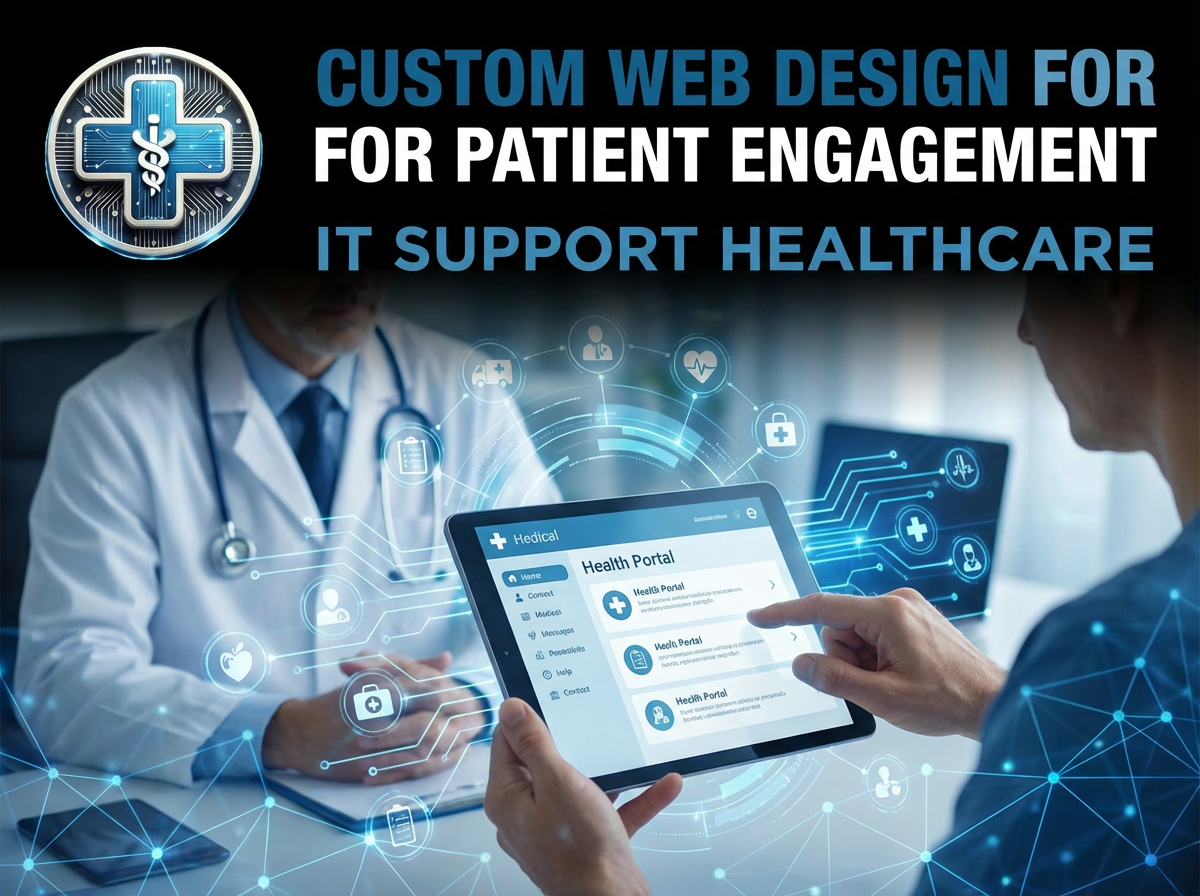
In the rapidly evolving landscape of healthcare, patient engagement has emerged as a pivotal component in delivering quality care and improving health outcomes. As healthcare providers strive to enhance patient experiences, custom web design has become an essential tool in fostering meaningful interactions between patients and healthcare systems. By leveraging innovative web design strategies, healthcare organizations can create user-friendly platforms that not only inform but also empower patients to take an active role in their health management.
One of the primary ways custom web design enhances patient engagement is through the creation of intuitive and accessible interfaces. A well-designed healthcare website should prioritize ease of navigation, ensuring that patients can effortlessly find the information they need. This includes clear labeling of sections, a logical flow of content, and the use of visual cues to guide users through the site. By reducing the complexity of accessing information, healthcare websites can minimize patient frustration and encourage more frequent use.
Moreover, personalization is a key innovation in custom web design that significantly boosts patient engagement. By integrating features such as personalized dashboards, healthcare websites can offer tailored content and recommendations based on individual patient profiles. This customization not only makes the information more relevant to the user but also fosters a sense of connection and trust between the patient and the healthcare provider. Patients are more likely to engage with a platform that recognizes their unique needs and preferences, ultimately leading to better health outcomes.
In addition to personalization, the incorporation of interactive elements is another innovative approach to enhancing patient engagement through web design. Features such as appointment scheduling, secure messaging with healthcare providers, and access to personal health records empower patients to take control of their healthcare journey. These interactive tools not only streamline administrative processes but also encourage patients to actively participate in their care. By providing a platform for direct communication and self-management, healthcare websites can bridge the gap between patients and providers, fostering a collaborative approach to health management.
Furthermore, the integration of educational resources within healthcare websites plays a crucial role in patient engagement. By offering a wealth of information on various health topics, treatment options, and preventive care, healthcare websites can serve as valuable resources for patients seeking to educate themselves about their health. This access to information empowers patients to make informed decisions and engage in meaningful discussions with their healthcare providers. Additionally, the use of multimedia elements such as videos, infographics, and interactive modules can enhance the learning experience, making complex medical information more digestible and engaging.
As technology continues to advance, the role of custom web design in healthcare is likely to expand further. Emerging technologies such as artificial intelligence and machine learning hold the potential to revolutionize patient engagement by offering even more personalized and predictive healthcare experiences. For instance, AI-driven chatbots can provide instant responses to patient inquiries, while machine learning algorithms can analyze patient data to offer tailored health recommendations. By staying at the forefront of these technological advancements, healthcare organizations can continue to innovate and enhance patient engagement through their web platforms.
In conclusion, custom web design is a powerful tool in the quest to enhance patient engagement in healthcare. By prioritizing intuitive navigation, personalization, interactivity, and education, healthcare websites can create meaningful connections with patients and empower them to take an active role in their health management. As the digital landscape continues to evolve, embracing these innovations will be crucial for healthcare providers seeking to improve patient experiences and outcomes.
Revolutionizing User Experience in Medical Web Development: The Role of Responsive Design
In the rapidly evolving landscape of healthcare information technology, the user experience in medical web development has emerged as a critical focal point. As healthcare providers increasingly rely on digital platforms to deliver services, the need for responsive design has become paramount. Responsive design, a method that ensures web content adapts seamlessly to various devices and screen sizes, is revolutionizing how patients and healthcare professionals interact with medical websites. This innovation is not merely a trend but a necessity, driven by the growing demand for accessible and efficient healthcare services.
The importance of responsive design in medical web development cannot be overstated. With the proliferation of smartphones and tablets, patients and healthcare providers alike expect to access information and services on-the-go. A responsive design ensures that a website’s layout, images, and functionalities adjust fluidly to the user’s device, providing an optimal viewing experience. This adaptability is crucial in healthcare, where timely access to information can significantly impact patient outcomes. For instance, a patient seeking urgent care information should be able to navigate a medical website effortlessly, regardless of whether they are using a desktop computer or a mobile phone.
Moreover, responsive design enhances the overall user experience by improving website usability. A well-designed responsive site reduces the need for excessive scrolling, resizing, or panning, which can frustrate users and lead to higher bounce rates. In the context of healthcare, where users may already be under stress, a seamless and intuitive web experience is essential. By prioritizing responsive design, medical web developers can ensure that users remain engaged and can easily find the information they need, whether it is scheduling an appointment, accessing test results, or learning about treatment options.
In addition to improving user experience, responsive design also plays a significant role in search engine optimization (SEO). Search engines like Google prioritize mobile-friendly websites in their rankings, meaning that a responsive design can enhance a medical website’s visibility and accessibility. This increased visibility is particularly important for healthcare providers looking to reach a broader audience and improve patient engagement. By adopting responsive design, medical websites can achieve higher search engine rankings, attract more visitors, and ultimately, provide better service to patients.
Furthermore, the implementation of responsive design in medical web development aligns with the broader trend of patient-centered care. As healthcare shifts towards a more personalized approach, digital platforms must reflect this change by offering tailored experiences that meet individual patient needs. Responsive design facilitates this by allowing for the integration of personalized content and features that adapt to the user’s preferences and behaviors. For example, a responsive medical website can offer customized health tips or reminders based on a patient’s medical history or current health status, thereby enhancing the overall care experience.
In conclusion, the role of responsive design in revolutionizing user experience in medical web development is undeniable. As healthcare continues to embrace digital transformation, the need for websites that are accessible, user-friendly, and adaptable to various devices becomes increasingly critical. By prioritizing responsive design, healthcare providers can ensure that their digital platforms not only meet the expectations of modern users but also contribute to improved patient outcomes and satisfaction. As such, responsive design is not just an innovation in healthcare IT but a fundamental component of delivering high-quality, patient-centered care in the digital age.
Innovative Patient Portals: Transforming Healthcare IT with Advanced Web Solutions
In recent years, the healthcare industry has witnessed a significant transformation driven by the integration of advanced web solutions into patient portals. These innovative platforms are reshaping the way patients interact with healthcare providers, offering a more streamlined, efficient, and personalized experience. As healthcare IT continues to evolve, patient portals have emerged as a critical component in enhancing patient engagement, improving outcomes, and optimizing the overall healthcare delivery process.
Patient portals serve as secure online platforms that provide patients with convenient access to their health information, enabling them to manage their healthcare more effectively. These portals offer a range of functionalities, including appointment scheduling, prescription refills, and direct communication with healthcare providers. By facilitating easy access to medical records and test results, patient portals empower individuals to take a more active role in their healthcare journey. This shift towards patient-centered care is crucial in an era where personalized medicine and patient engagement are becoming increasingly important.
One of the key innovations in patient portals is the integration of advanced web technologies that enhance user experience and accessibility. Modern patient portals are designed with user-friendly interfaces that are intuitive and easy to navigate, ensuring that patients of all ages and technological proficiencies can benefit from their features. Moreover, the incorporation of responsive design ensures that these portals are accessible across various devices, including smartphones, tablets, and desktop computers. This flexibility allows patients to access their health information anytime and anywhere, promoting continuous engagement with their healthcare providers.
Furthermore, the implementation of secure messaging systems within patient portals has revolutionized communication between patients and healthcare providers. These systems enable patients to send non-urgent inquiries, request prescription refills, and receive timely responses from their healthcare team. This not only reduces the need for in-person visits but also alleviates the burden on healthcare facilities, allowing providers to allocate resources more efficiently. Additionally, secure messaging fosters a collaborative relationship between patients and providers, enhancing trust and satisfaction.
Another significant advancement in patient portals is the integration of telehealth services. With the growing demand for remote healthcare solutions, patient portals now offer virtual consultations, allowing patients to connect with their healthcare providers from the comfort of their homes. This is particularly beneficial for individuals with mobility challenges or those residing in remote areas with limited access to healthcare facilities. Telehealth services within patient portals not only improve access to care but also contribute to better health outcomes by facilitating timely interventions and reducing the risk of disease progression.
Moreover, patient portals are increasingly incorporating data analytics and artificial intelligence to provide personalized health insights and recommendations. By analyzing patient data, these platforms can identify patterns and trends, offering tailored advice on lifestyle modifications, medication adherence, and preventive measures. This proactive approach to healthcare empowers patients to make informed decisions and take preventive actions, ultimately leading to improved health outcomes and reduced healthcare costs.
In conclusion, the innovation in patient portals is transforming healthcare IT by providing advanced web solutions that enhance patient engagement, improve communication, and facilitate access to care. As these platforms continue to evolve, they hold the potential to revolutionize the healthcare landscape, making it more patient-centered, efficient, and accessible. By embracing these technological advancements, healthcare providers can ensure that they are meeting the needs of their patients while optimizing the delivery of care in an increasingly digital world.
Unlock the future of healthcare with cutting-edge insights in Healthcare IT! Discover the latest innovations in Category 15 and transform your practice today. Get your free quote now!